
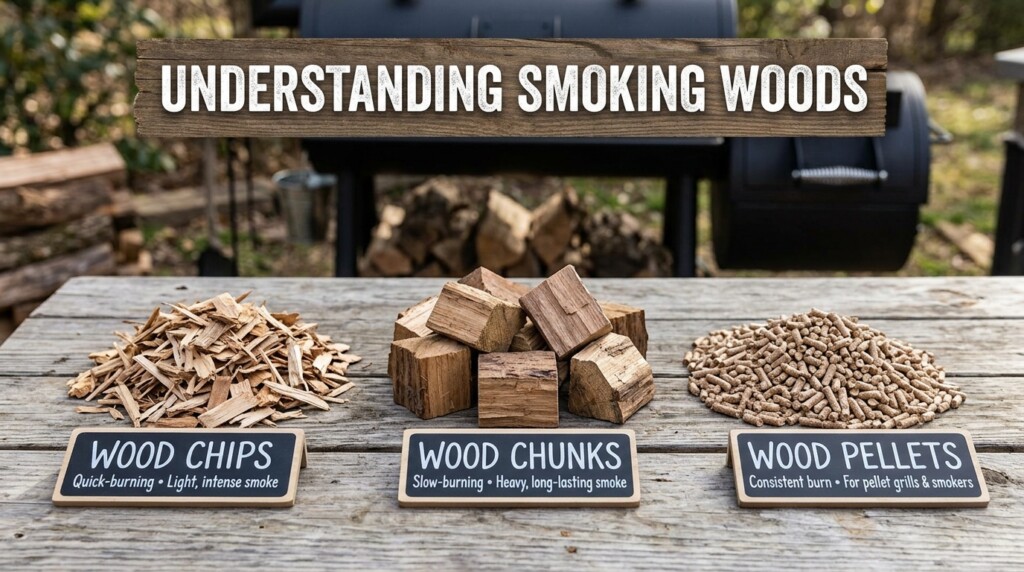
When it comes to grilling and smoking, choosing the right type of fuel can make all the difference in the flavor and quality of your food. Understanding the differences between wood chips, chunks, and pellets is essential for achieving the perfect balance of smokiness and aroma in your dishes. Let’s delve into the world of wood fuel options and discover how each one can elevate your outdoor cooking experience.
What are Wood Chips?
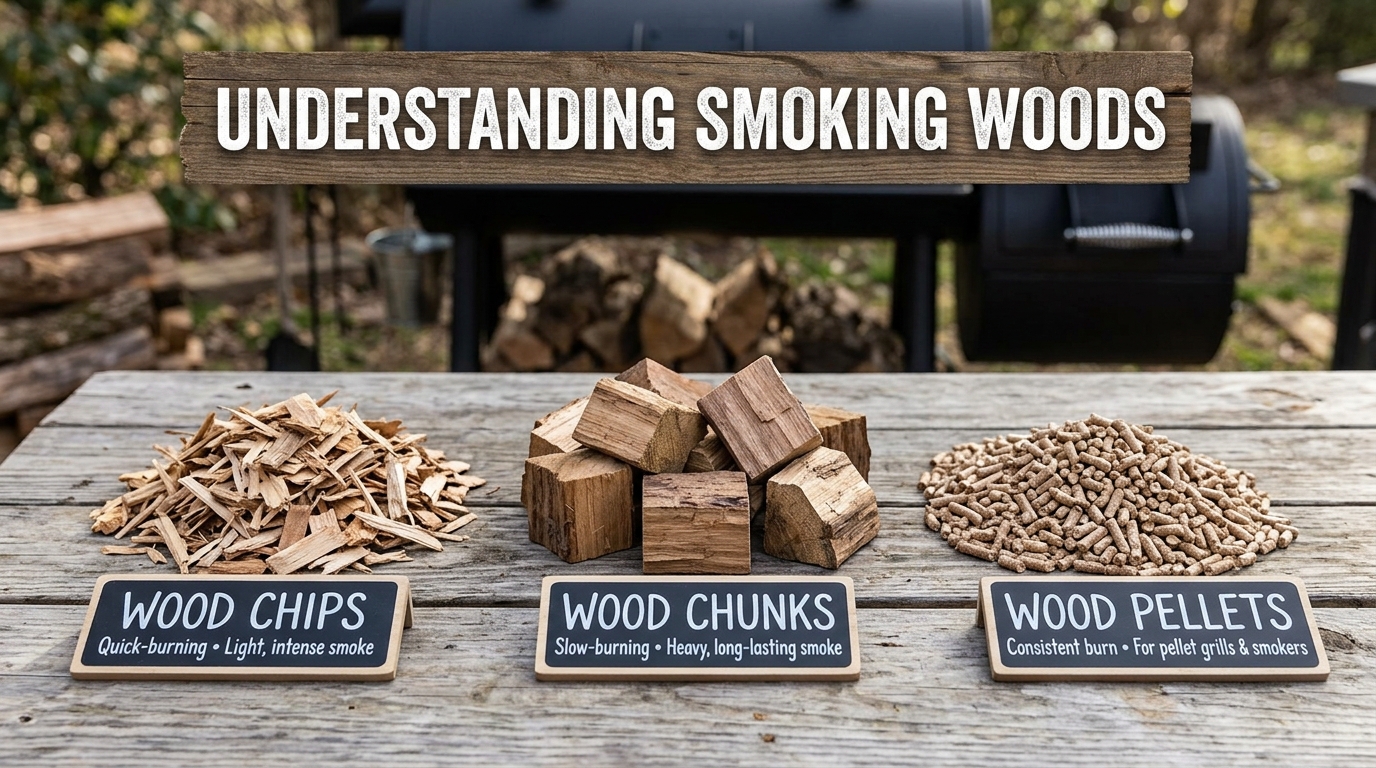
Wood chips are small pieces of wood that are commonly used for smoking food, landscaping, and animal bedding. They are typically made from a variety of hardwoods such as oak, hickory, cherry, and apple. Wood chips are produced by chipping or shredding wood into small pieces, usually around 1-2 inches in size.
When used for smoking food, wood chips are soaked in water or other liquids to create smoke that enhances the flavor of the food. In landscaping, wood chips are often used as mulch to suppress weed growth, retain moisture in the soil, and improve the aesthetics of gardens and flower beds.
3. What are Wood Chunks?
Wood chunks are larger pieces of wood typically used for smoking meat and grilling. These chunks are bigger than wood chips and provide a slower, more consistent release of smoke flavor. They are commonly made from hardwoods like oak, hickory, apple, cherry, or mesquite. Wood chunks are ideal for long smoking sessions, as they can smolder for an extended period, adding a rich and robust flavor to the food.
When using wood chunks, it is essential to soak them in water for about 30 minutes before placing them on the grill or smoker. This helps the wood smolder and produce smoke rather than quickly burn up. Wood chunks are versatile and can be used in various types of grills and smokers, adding a distinctive smoky flavor to a wide range of foods, from meats to vegetables.
4. What are Wood Pellets?
Wood pellets are a type of biomass fuel made from compressed sawdust, wood shavings, and other wood waste materials. They are cylindrical in shape and typically have a diameter of 6-8 millimeters and a length of 10-30 millimeters. Wood pellets are produced by compressing wood fibers under high pressure, which helps remove moisture and bind the material together.
Wood pellets are commonly used as a renewable energy source for heating and cooking. They are efficient and clean-burning, with low moisture content and consistent size and shape, making them easy to store and handle. Wood pellets are also considered environmentally friendly as they are made from sustainable wood sources and produce fewer emissions compared to traditional fossil fuels.
Pros and Cons of Wood Chips
Wood chips are a popular choice for smoking and grilling due to their affordability and accessibility. One of the main advantages of using wood chips is their versatility, as they can be used in various types of smokers and grills. Additionally, wood chips come in a variety of flavors, allowing users to experiment with different wood types to achieve desired taste profiles. Another benefit of wood chips is their quick burn rate, which makes them ideal for shorter cooking times or when a fast smoke is needed.
On the downside, wood chips may require more frequent replenishing during long smoking sessions compared to other wood options like chunks. They also have a tendency to burn out quickly, leading to fluctuations in smoke production. Another consideration is that wood chips can sometimes produce a harsh smoke if not properly soaked or used in moderation, which may result in an undesirable flavor in the final dish.
Pros and Cons of Wood Chunks
Wood Chunks Pros: Wood chunks are larger pieces of wood that burn slower than wood chips, providing a longer-lasting source of heat and smoke for smoking meats. They are ideal for long smoking sessions, such as when cooking brisket or pork shoulder. Wood chunks also offer a more robust and distinct smoky flavor compared to wood chips, enhancing the overall taste of the food being smoked. Additionally, wood chunks are easy to handle and can be placed directly on the charcoal in a smoker or grill.
Wood Chunks Cons: One of the main drawbacks of using wood chunks is that they can be more challenging to ignite and may require a longer preheating time compared to wood chips. Due to their larger size, wood chunks may also produce more intense smoke, which can potentially overpower the flavor of the meat if not used in moderation. Another consideration is that wood chunks tend to be more expensive than wood chips, making them a less cost-effective option for casual or shorter smoking sessions.
Pros and Cons of Wood Pellets
Wood pellets are a popular choice for fuel in pellet stoves and pellet grills due to their efficiency and convenience. One of the main advantages of using wood pellets is their high energy density, which means they can produce a significant amount of heat compared to their size. This makes them ideal for heating small spaces or cooking food quickly and evenly. Wood pellets are also considered a more environmentally friendly option compared to fossil fuels, as they are made from compressed sawdust and wood shavings, which are renewable resources. Additionally, wood pellets produce less ash and creosote buildup, making them easier to clean up after use.
However, there are some drawbacks to using wood pellets as well. One of the main concerns is the cost, as wood pellets can be more expensive than other types of fuel such as wood chips or chunks. Additionally, some users may find that wood pellets do not provide the same smoky flavor as traditional wood chips or chunks, which can be a downside for those who enjoy that particular taste in their food. Lastly, sourcing high-quality wood pellets can be a challenge, as not all brands are created equal in terms of heat output and consistency.