
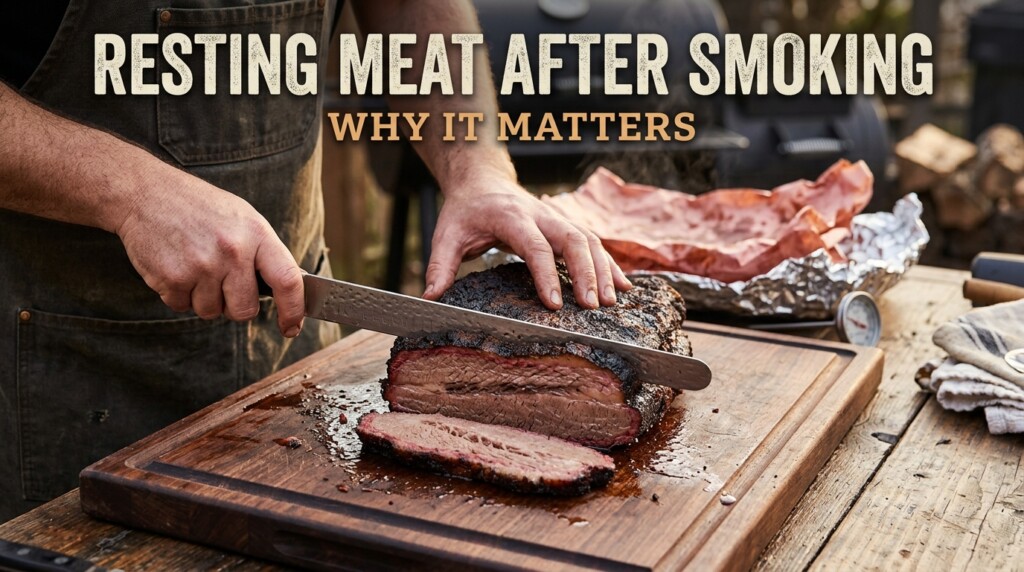
Resting meat after smoking is a crucial step that can make a significant difference in the final outcome of your cooking. Many people overlook this simple yet important process, but understanding why it matters can take your smoked meats to a whole new level of flavor and tenderness. Let’s delve into the reasons why resting meat after smoking is a game-changer for your culinary creations.
Benefits of Resting Meat
Enhanced Juiciness: Resting meat after cooking allows the juices to redistribute evenly throughout the meat. This results in a juicier and more flavorful final product. The resting period gives the muscle fibers time to reabsorb the moisture that was pushed towards the surface during cooking, ensuring a moist and tender texture.
Improved Texture: Resting meat helps in achieving a more uniform and desirable texture. By allowing the meat to rest, you give the proteins in the meat a chance to relax and reabsorb the released moisture. This leads to a tender and succulent texture that is evenly distributed across the entire cut, enhancing the eating experience.
3. How to Rest Meat After Smoking
Resting meat after smoking is crucial for ensuring a juicy and flavorful end result. Once you have finished smoking your meat to perfection, it is essential to allow it to rest before slicing into it. To rest meat properly, remove it from the heat source and place it on a cutting board. Tent the meat loosely with aluminum foil to help retain heat and moisture.
Let the meat rest for about 10-20 minutes before slicing. This resting period allows the juices in the meat to redistribute, resulting in a more tender and juicy texture. Avoid cutting into the meat immediately after smoking, as this can cause the juices to run out, leaving you with a dry and less flavorful final product. By following these simple steps, you can ensure that your smoked meat is at its best when it reaches the table.
Importance of Resting Meat
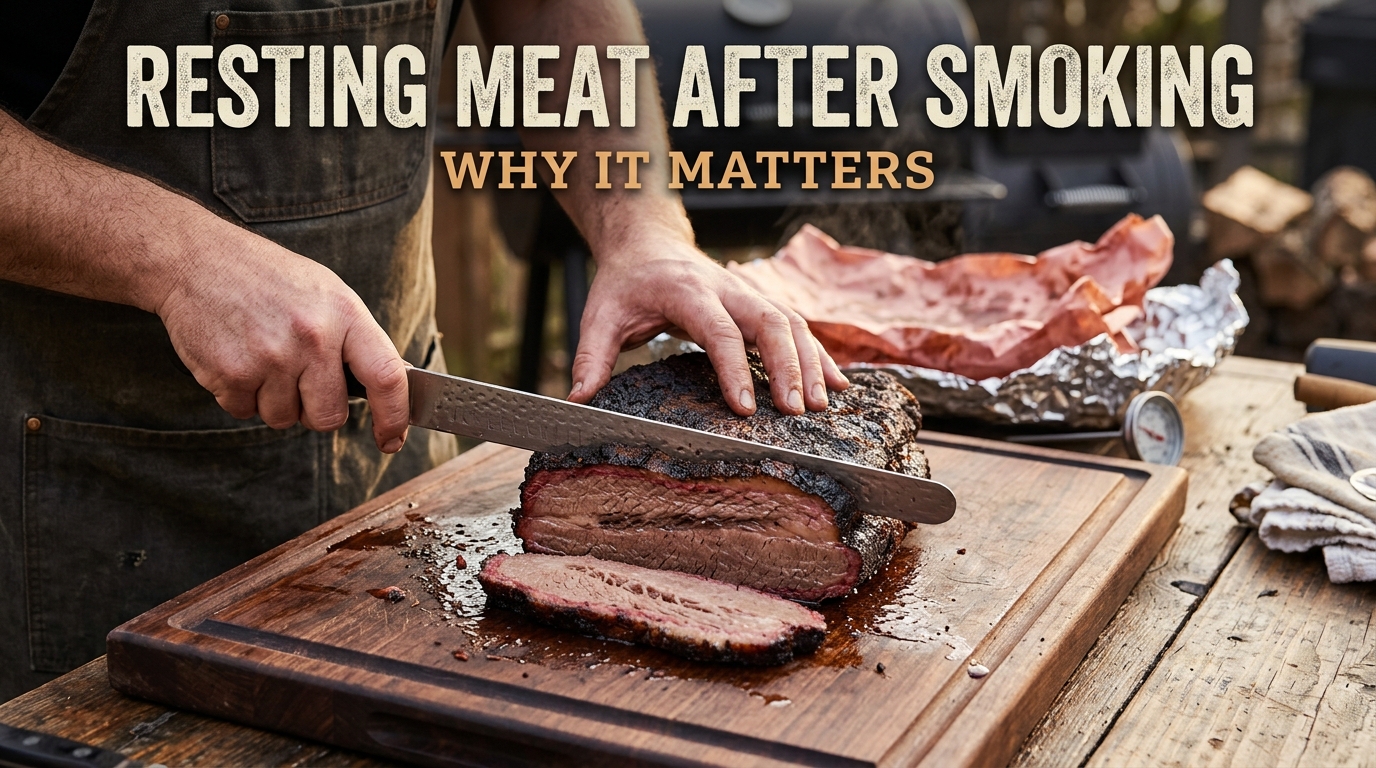
Resting meat after cooking is a crucial step in the process that should not be overlooked. When meat is cooked, the heat causes the juices inside to move towards the surface. If you cut into the meat immediately after cooking, these juices will escape, leaving the meat dry and less flavorful. Allowing the meat to rest before slicing gives these juices time to redistribute throughout the meat, resulting in a juicier and more tender final product.
Moreover, resting meat allows the internal temperature to even out, ensuring that the meat is cooked to the desired level of doneness. This is particularly important for larger cuts of meat, such as roasts or whole chickens, as it helps prevent the outer layers from being overcooked while the inside is still underdone. By understanding the importance of resting meat, you can elevate the quality of your dishes and impress your guests with perfectly cooked and juicy meat every time.
Best Practices for Resting Meat
Allow the meat to rest for at least 10-20% of the total cooking time: It is recommended to let the meat rest for a duration that is proportional to its cooking time. This allows the juices to redistribute evenly throughout the meat, resulting in a juicier and more flavorful final product.
Use an insulated cooler or aluminum foil to keep the meat warm: After removing the meat from the heat source, wrap it in aluminum foil or place it in an insulated cooler to help retain its temperature. This will prevent the meat from cooling down too quickly and losing its juices.
Common Mistakes to Avoid
1. Cutting Too Soon: One common mistake when resting meat is cutting into it too soon. It is crucial to allow the meat to rest for the recommended time to ensure that the juices redistribute evenly throughout the cut. Cutting too soon can result in a loss of moisture and tenderness, leaving the meat dry and less flavorful.
2. Not Tenting with Foil: Another mistake is not tenting the meat with foil during the resting period. Tenting the meat helps to retain heat and keep the surface from cooling too quickly, which can help maintain the juiciness of the meat. It also allows the meat to continue cooking slightly from its residual heat, ensuring a more evenly cooked and flavorful result.
3. Skipping the Resting Step: Some people may overlook or skip the resting step altogether due to impatience or time constraints. However, resting meat is a crucial part of the cooking process that should not be skipped. Allowing the meat to rest allows the juices to redistribute, resulting in a more tender and flavorful final product.
Conclusion
Resting meat is a crucial step in the cooking process that should not be overlooked. Allowing meat to rest after cooking helps redistribute the juices throughout the meat, resulting in a more flavorful and tender final product. By giving the meat time to rest, you are ensuring that each bite is juicy and delicious.
Remember to follow the best practices for resting meat to achieve the best results. Avoid common mistakes such as cutting into the meat too soon or leaving it to rest for too long. With proper resting techniques, you can elevate the quality of your cooked meats and impress your guests with perfectly juicy and flavorful dishes.