

Using a meat thermometer for BBQ can be the secret ingredient to perfectly cooked meats every time. Whether you’re a seasoned grill master or a novice in the world of BBQ, mastering the art of using a meat thermometer can take your grilling game to the next level. Join us as we explore the ins and outs of utilizing a meat thermometer to achieve juicy, flavorful results that will have your guests coming back for more.
Types of Meat Thermometers
Instant-read Thermometers: These thermometers provide quick temperature readings and are inserted into the meat at the end of cooking to check the final temperature. They are versatile and suitable for various types of meat.
Leave-in Thermometers: These thermometers remain in the meat while it cooks, providing real-time temperature monitoring. They are ideal for long cooking processes, such as smoking or roasting, as they allow you to track temperature changes without opening the oven or grill.
Wireless Thermometers: These thermometers consist of a probe that remains in the meat and a separate monitor that displays the temperature readings wirelessly. They offer convenience and freedom to monitor temperature from a distance, making them perfect for outdoor cooking.
3. Choosing the Right Meat Thermometer
When selecting a meat thermometer, it is essential to consider a few key factors to ensure accurate and reliable results. One of the primary considerations is the type of thermometer. There are various types available, including instant-read thermometers, probe thermometers, and leave-in thermometers. Instant-read thermometers are ideal for quick temperature checks, while probe thermometers are best for monitoring temperatures during cooking. Leave-in thermometers are designed to remain in the meat while it cooks, providing continuous temperature readings.
Another crucial factor to consider is the thermometer’s accuracy and response time. Look for a thermometer that provides accurate readings within a few seconds to ensure your meat is cooked safely. Additionally, consider the thermometer’s temperature range, ensuring it can handle the temperatures required for the types of meat you commonly cook. Finally, choose a thermometer that is easy to use and clean, with a design that fits your cooking style and preferences.
4. How to Calibrate a Meat Thermometer
Calibrating a meat thermometer is essential to ensure accurate temperature readings and guarantee food safety. To calibrate a meat thermometer, you will need a simple ice water bath method. Start by filling a glass with ice cubes and then adding cold water until the glass is full. Stir the mixture well and let it sit for a few minutes to ensure it reaches a temperature of 32°F (0°C), the freezing point of water.
Once the ice water bath is ready, insert the thermometer probe into the ice water without touching the sides or bottom of the glass. The thermometer should read 32°F (0°C). If it does not, refer to the manufacturer’s instructions on how to adjust the calibration. Some thermometers have a calibration nut under the dial that can be turned to adjust the reading. Repeat this process regularly, especially if the thermometer has been dropped or exposed to extreme temperature changes, to maintain accuracy.
Using a Meat Thermometer for Grilling
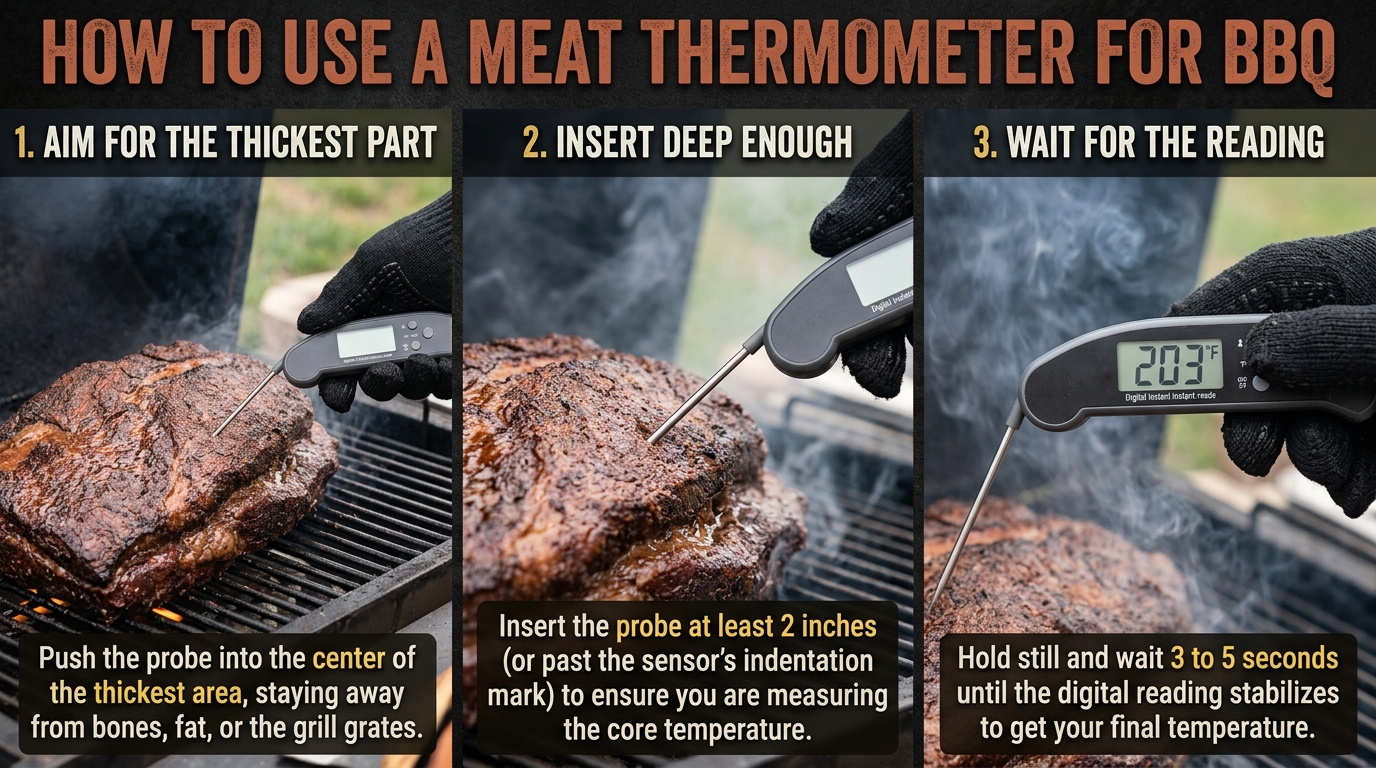
Grilling is a popular cooking method that requires precision to achieve the perfect level of doneness in meat. Using a meat thermometer for grilling is essential to ensure that your food is cooked to a safe temperature while retaining its juiciness and flavor. When grilling different types of meat, it’s crucial to insert the thermometer probe into the thickest part of the meat without touching bone, fat, or gristle for an accurate reading.
Remember that different types of meat have specific internal temperature guidelines for safe consumption. For example, poultry should reach an internal temperature of 165°F (74°C), while medium-rare beef steaks should be cooked to 130-135°F (54-57°C). By using a meat thermometer for grilling, you can easily monitor the internal temperature of your meat and cook it to perfection every time, impressing your guests with delicious and safely prepared dishes.
Using a Meat Thermometer for Smoking
Smoking meat is a popular cooking method that requires precise temperature control to ensure food safety and optimal flavor. Using a meat thermometer is essential when smoking meats to monitor the internal temperature accurately. Different types of meat require specific internal temperatures to reach the desired level of doneness, and a thermometer helps you achieve this consistency.
When smoking meats, insert the thermometer probe into the thickest part of the meat, away from any bones or fat, to get an accurate reading. Monitor the temperature throughout the smoking process, aiming to reach the recommended internal temperature for the specific type of meat being cooked. By using a meat thermometer for smoking, you can ensure that your meats are cooked safely and to perfection, resulting in delicious, tender, and flavorful dishes that will impress your guests.
Cleaning and Storing Your Meat Thermometer
Cleaning your meat thermometer is essential to ensure accurate readings and prevent cross-contamination. After each use, wash the probe with hot, soapy water and a clean cloth. Avoid submerging the entire thermometer in water, especially if it’s not waterproof. If needed, use a mild disinfectant to sanitize the probe, ensuring it’s completely dry before storing.
Storing your meat thermometer properly can prolong its lifespan. Make sure the thermometer is completely dry before storing it to prevent bacterial growth. Store it in a protective case or sleeve to prevent damage to the probe. Keep it in a cool, dry place away from direct sunlight and extreme temperatures to maintain its accuracy.