
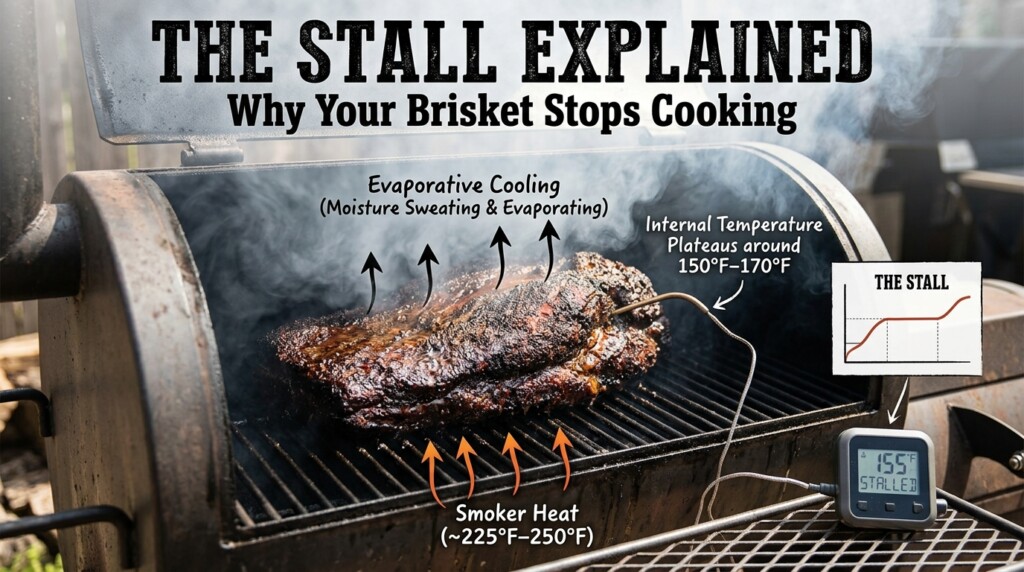
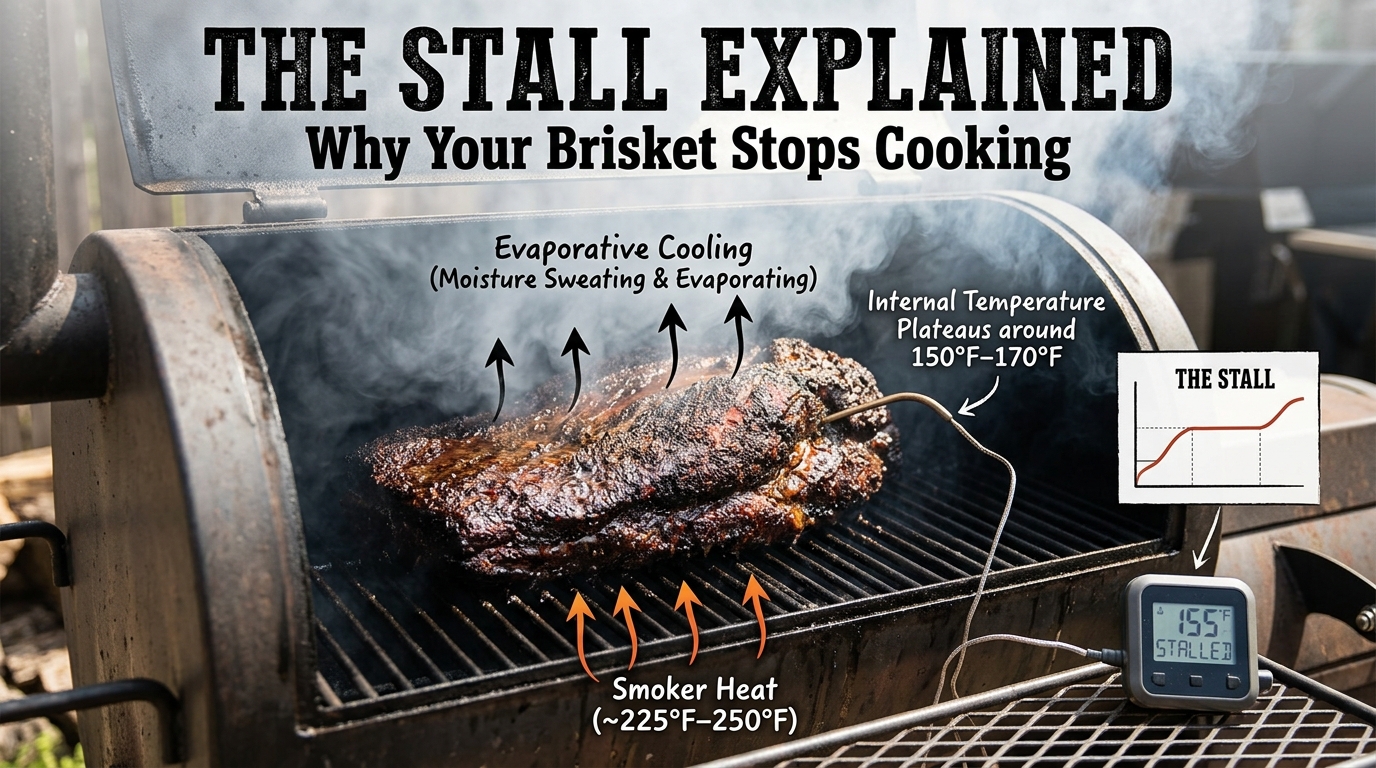
Have you ever experienced the frustration of your brisket suddenly stalling during cooking, leaving you puzzled and unsure of what to do next? In this post, we will delve into the mysterious phenomenon known as “the stall” and uncover the reasons behind why your brisket stops cooking, so you can master the art of perfecting this beloved barbecue dish.
Understanding the Stall
Understanding the Stall
When following a weight loss or fitness journey, hitting a plateau, commonly known as a stall, can be frustrating. A stall occurs when your progress slows down or halts completely, despite your continued efforts. It can be disheartening and demotivating, but understanding the stall is crucial in overcoming it.
Stalls can happen for various reasons, such as the body adapting to your routine, hormone fluctuations, or changes in metabolism. By recognizing the signs of a stall and understanding why it occurs, you can make informed decisions to break through this phase and continue progressing towards your goals. Stay patient and focused as you navigate through this temporary setback.
Factors Affecting the Stall
Weight Loss Plateaus: One significant factor affecting a stall in weight loss progress is the body’s natural tendency to reach a plateau. This occurs when the body adapts to a lower calorie intake or increased activity level, making further weight loss harder to achieve. Plateaus can be frustrating but are a common part of the weight loss journey.
Muscle Loss: Another factor that can contribute to a stall is the loss of muscle mass. When losing weight, the body may break down muscle tissue for energy if not receiving adequate protein or engaging in strength training exercises. This can slow down metabolism and hinder further weight loss progress. It is crucial to maintain muscle mass to support a healthy metabolism and continue to burn calories efficiently.
Tips to Overcome the Stall
Stay Consistent: One of the most effective ways to overcome a stall is to stay consistent with your efforts. This includes sticking to your diet plan, maintaining a regular exercise routine, and ensuring you are getting an adequate amount of sleep. Consistency is key to breaking through a weight loss plateau and seeing continued progress.
Adjust Your Caloric Intake: If you have been following a specific caloric intake for a while and have hit a plateau, it may be time to reassess and adjust your calorie consumption. This could involve reducing your daily calories slightly, adding more variety to your meals, or incorporating intermittent fasting to shake things up and kickstart your metabolism.
Common Mistakes During the Stall
During a stall in a spreadsheet, it is common for users to make mistakes that can prolong the issue or even make it worse. One common mistake is not checking for hidden rows or columns that may be affecting the calculations. It is important to ensure that all data is visible and correctly formatted to avoid any miscalculations.
Another common mistake is forgetting to double-check formulas and references. During a stall, it is crucial to review all formulas to identify any errors or circular references that may be causing the issue. Taking the time to carefully inspect the formulas can help pinpoint the problem and expedite the resolution process.
Recipes to Try During the Stall
During a stall in weight loss, it can be helpful to try out new recipes that are not only delicious but also fit within your dietary goals. One idea is to experiment with low-carb or keto-friendly recipes that can help kickstart your metabolism and break through the plateau. Recipes that incorporate lean proteins, healthy fats, and plenty of veggies can be satisfying while still being conducive to weight loss.
Consider trying out recipes like cauliflower rice stir-fry, zucchini noodles with pesto and grilled chicken, or a colorful salad with a variety of veggies and a protein source like grilled shrimp or tofu. These recipes can provide you with the nutrients you need while keeping you full and energized. Additionally, incorporating herbs and spices into your cooking can add flavor without extra calories, making your meals more enjoyable during this challenging phase of your weight loss journey.
Conclusion
After exploring the various aspects of a stall in detail, it becomes evident that stalls are a common occurrence in different aspects of life, not just limited to aviation or weight loss journeys. Understanding the nature of a stall, its contributing factors, and potential ways to overcome it is essential for personal growth and success.
By recognizing the signs of a stall, being aware of the factors that can lead to it, and implementing effective strategies to push through it, individuals can emerge stronger and more resilient. Embracing the challenges that come with a stall as opportunities for learning and growth can lead to valuable insights and personal development. Remember, a stall is not the end of the road but rather a temporary setback that can be overcome with perseverance and determination.