

Discover the mouthwatering secrets behind creating your very own Texas-style jerky in the comfort of your own home. From the perfect blend of spices to the ideal marinating technique, this guide will walk you through each step to achieve that authentic, savory flavor that will have your taste buds begging for more. Get ready to elevate your snacking game and impress your friends and family with this homemade treat that captures the essence of Texas cuisine.
Choosing the Right Meat
When making jerky, selecting the right meat is crucial for achieving the best flavor and texture. Lean cuts of meat are ideal as they result in a less greasy and more flavorful jerky. Popular choices include beef (such as flank steak or sirloin), turkey, venison, or even pork. It’s essential to trim off any excess fat before slicing the meat thinly against the grain. This not only helps in the marinating process but also ensures a tender jerky that is easier to chew.
Furthermore, consider the type of meat you choose based on your preferences. Beef tends to be a classic choice with its robust flavor, while turkey offers a leaner option. Experimenting with different meats and cuts can lead to discovering unique flavor profiles that suit your taste buds. Remember to take into account the marinating time required for each type of meat, as some may need longer to absorb the flavors effectively.
3. Preparing the Marinade
Creating a flavorful marinade is essential for making delicious jerky. The marinade serves as the primary seasoning and tenderizer for the meat. To prepare a basic marinade, start with a combination of acidic ingredients like vinegar, citrus juice, or yogurt to help break down the meat fibers and enhance the flavor. Add in your choice of seasonings such as salt, pepper, garlic powder, onion powder, soy sauce, Worcestershire sauce, and other herbs and spices to customize the taste to your liking.
It is important to marinate the meat for an adequate amount of time to allow the flavors to penetrate and tenderize the meat. Typically, marinating overnight in the refrigerator is recommended for best results, but marinating for at least 4-6 hours can also yield flavorful jerky. Ensure the meat is fully submerged in the marinade and mix it occasionally to evenly coat the meat. Experiment with different marinade recipes to discover your favorite flavor combinations for homemade jerky.
4. Marinating the Meat
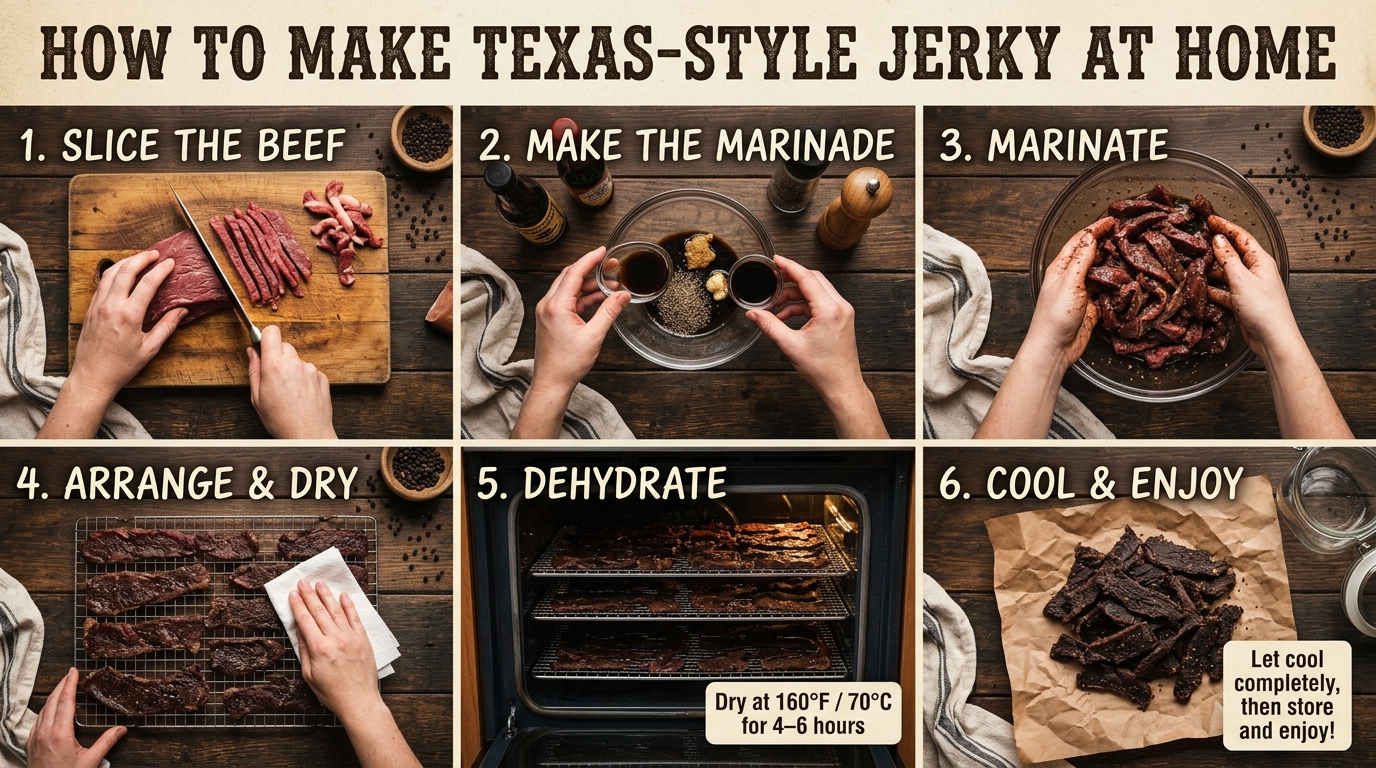
Marinating the meat is a crucial step in making flavorful and tender jerky. A good marinade not only infuses the meat with delicious flavors but also helps tenderize it for a better texture. To marinate the meat effectively, start by choosing a marinade recipe that complements the type of meat you are using. Common ingredients in marinades include soy sauce, Worcestershire sauce, vinegar, salt, sugar, and various spices.
Once you have prepared your marinade, place the sliced meat in a resealable plastic bag or a glass container and pour the marinade over it, ensuring that the meat is evenly coated. Refrigerate the meat in the marinade for at least several hours or ideally overnight to allow the flavors to penetrate the meat thoroughly. Remember to turn the meat occasionally to ensure even marination. Proper marinating not only enhances the taste of your jerky but also helps in preserving it for longer periods.
5. Dehydrating the Jerky
Dehydrating the jerky is a crucial step in the jerky-making process. Once the meat has been marinated to perfection, it needs to be dehydrated to remove moisture and achieve that signature chewy texture. There are various methods to dehydrate jerky, including using a dehydrator, oven, or even a smoker.
When dehydrating jerky, it’s essential to maintain a low and consistent temperature to ensure the meat is dried evenly without cooking it. The ideal temperature for dehydrating jerky is around 160°F (71°C). Depending on the method used and the thickness of the meat slices, dehydrating times can vary from a few hours to overnight. Regularly check the jerky during the dehydration process to ensure it reaches the desired texture without over-drying.
Storing and Enjoying Your Jerky
Storing: Properly storing your homemade jerky is essential to maintain its freshness and flavor. Once your jerky has finished dehydrating and has cooled down completely, it’s crucial to store it in airtight containers or resealable bags. Make sure to remove as much air as possible from the packaging to prevent moisture buildup, which can lead to spoilage. Store your jerky in a cool, dry place away from direct sunlight. Properly stored jerky can last for several weeks to a few months, depending on the ingredients used and the dehydration process.
Enjoying: Now that you have successfully made and stored your jerky, it’s time to enjoy the fruits of your labor. Homemade jerky makes for a delicious and convenient snack that can be enjoyed on-the-go or as a protein-packed addition to your meals. Whether you prefer classic beef jerky or experiment with different meats and flavors, the key is to savor each bite and appreciate the effort that went into creating your own tasty jerky. Share your homemade jerky with friends and family, or keep it all to yourself for a satisfying treat whenever hunger strikes.
Tips and Tricks for Perfect Jerky
1. Slice Meat Against the Grain: When preparing your meat for jerky, make sure to slice it against the grain. Slicing against the grain helps break down the muscle fibers, resulting in a more tender jerky that is easier to chew.
2. Use Lean Cuts: Opt for lean cuts of meat with minimal fat content when making jerky. Fat can become rancid during the drying process, affecting the flavor and shelf life of your jerky.
3. Monitor Dehydrating Time: Keep a close eye on the dehydrating process to prevent over-drying. Check the jerky regularly to ensure it reaches the desired level of dryness without becoming too brittle.
4. Experiment with Flavors: Don’t be afraid to experiment with different marinades and seasonings to create unique flavor profiles for your jerky. From sweet and savory to spicy and tangy, there are endless possibilities to customize your jerky to your taste preferences.