
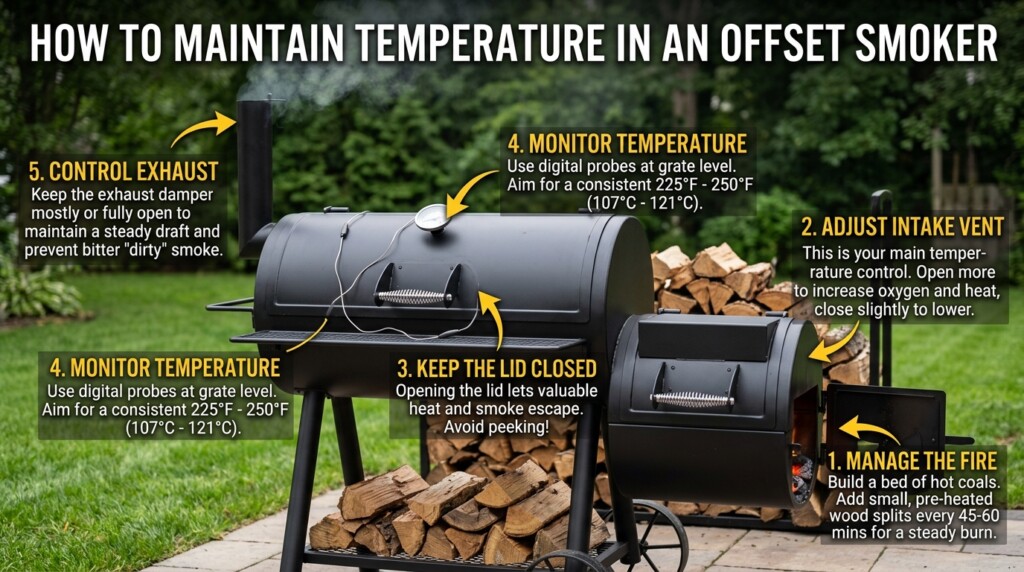
Maintaining the perfect temperature in an offset smoker is the key to achieving mouth-watering barbecue results that will have your friends and family coming back for more. In this guide, we will explore practical tips and techniques to help you master the art of temperature control, ensuring that your meats are perfectly cooked and bursting with flavor every time you fire up your smoker. Whether you’re a seasoned pitmaster or a novice backyard griller, these insights will take your barbecue game to the next level.
Choosing the Right Offset Smoker
Choosing the right offset smoker is crucial for achieving the best results when smoking meat. When selecting an offset smoker, consider factors such as size, construction materials, design features, and budget. Look for a smoker made of durable materials like heavy-gauge steel to ensure longevity and heat retention. Opt for a size that suits your cooking needs, balancing between capacity and space constraints.
Additionally, pay attention to design features like multiple dampers for airflow control, a built-in thermometer for monitoring temperature, and a grease management system for easy cleanup. Lastly, align your budget with the quality and features you desire in an offset smoker to make a well-informed decision that will enhance your smoking experience.
3. Preparing the offset smoker
Properly preparing your offset smoker is essential to ensure a successful and enjoyable barbecue experience. To begin, start by thoroughly cleaning the smoker, removing any ash, grease, or residue from previous use. Next, inspect the smoker for any signs of wear or damage, such as rust or leaks, and address any issues before proceeding.
After cleaning and inspecting, it’s time to season the smoker. Seasoning involves coating the interior surfaces of the smoker with cooking oil and heating it to create a protective layer that prevents rust and improves the flavor of your food. Follow the manufacturer’s guidelines for seasoning, as the process may vary depending on the type of smoker you have. Once the smoker is seasoned, it’s ready to be fired up for your next barbecue session.
Controlling Airflow and Temperature
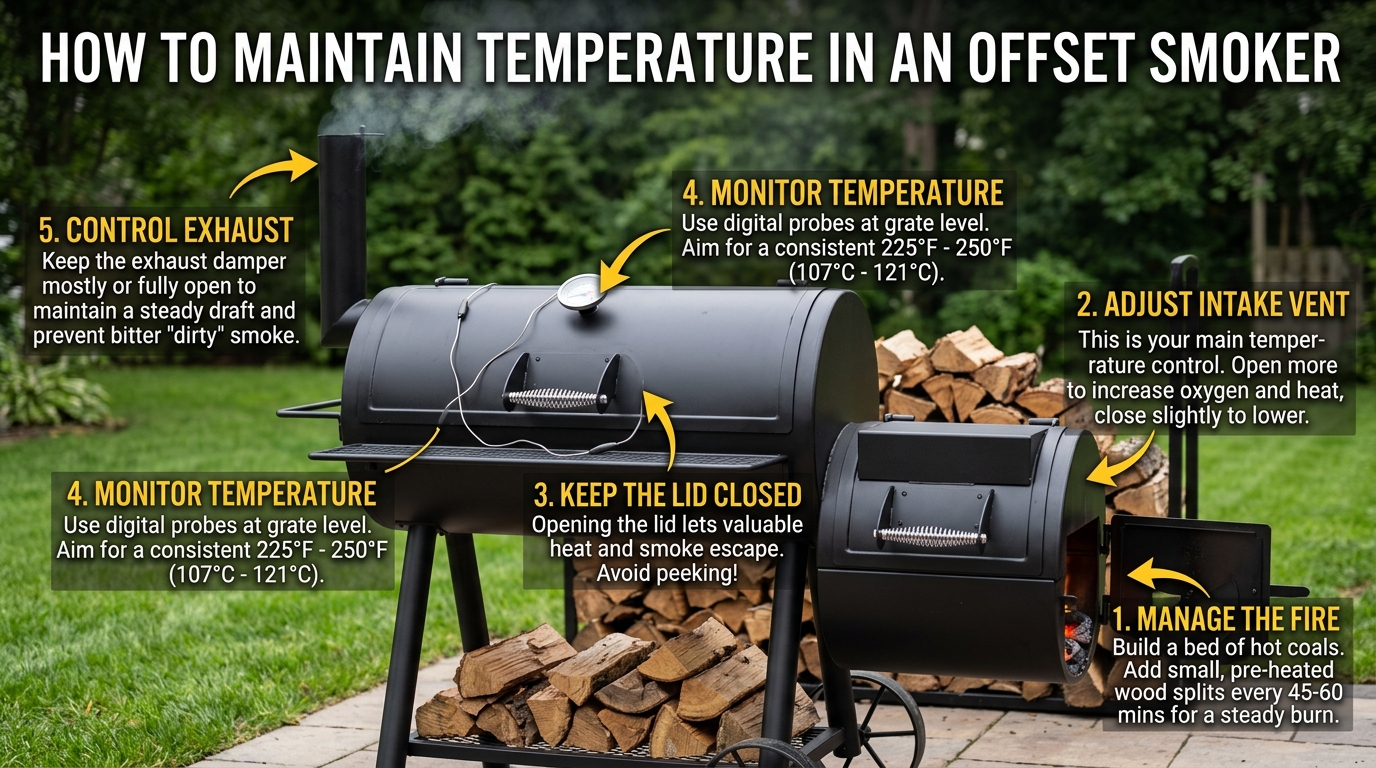
Airflow: Proper airflow is crucial for controlling the temperature in your offset smoker. Most offset smokers have adjustable vents or dampers that allow you to regulate the amount of air entering and exiting the smoker. To increase the temperature, open the vents to allow more oxygen in, and to lower the temperature, partially close the vents to restrict airflow. Experiment with different vent settings to find the right balance for maintaining a consistent temperature.
Temperature Control: To achieve the desired temperature in your offset smoker, it’s essential to monitor both the smoker’s temperature gauge and the internal temperature of the cooking chamber. Use a quality thermometer to accurately track the temperature inside the smoker. Additionally, consider using a heat-resistant gasket to seal any gaps or leaks in the smoker, which can help maintain a more stable temperature. By mastering the airflow and temperature control in your offset smoker, you can ensure that your meats are cooked to perfection every time.
5. Using a Water Pan
Using a water pan in your offset smoker can help regulate temperature and moisture levels during the cooking process. The water pan acts as a heat sink, absorbing and releasing heat slowly to create a more stable cooking environment. It also adds humidity to the smoker, preventing the meat from drying out.
When using a water pan, it’s essential to keep an eye on the water level throughout the cooking process. Refill the pan as needed to maintain a consistent level of moisture inside the smoker. Additionally, you can experiment with adding flavorings to the water, such as herbs, spices, or fruit juices, to infuse your meat with extra layers of taste while it cooks.
6. Monitoring and Adjusting Temperature
Monitoring and adjusting the temperature in your offset smoker is crucial for achieving the desired results when smoking meat. To effectively monitor the temperature, you can use a quality thermometer placed at the grate level where the meat is cooking. This will give you a more accurate reading of the cooking temperature than relying solely on the built-in thermometer on the smoker.
Adjusting the temperature can be done by making small changes to the airflow through the smoker. Opening the dampers slightly will increase the airflow and raise the temperature, while closing them will decrease the airflow and lower the temperature. It’s essential to make gradual adjustments and give the smoker time to stabilize before making further changes to prevent drastic temperature fluctuations that can impact the quality of the smoked meat. By carefully monitoring and adjusting the temperature throughout the smoking process, you can ensure that your meat cooks evenly and reaches the perfect level of smokiness.
Tips for Maintaining Temperature
Consistent temperature is key to successful smoking with an offset smoker. To maintain a steady temperature, start by using a high-quality thermometer to monitor the internal temperature of the smoker. Make sure to regularly check and adjust the vents to control the airflow, which directly impacts the temperature inside the smoker. Additionally, consider using a water pan to help regulate the temperature by adding moisture to the cooking environment.
Furthermore, avoid constantly opening the smoker lid as this can lead to fluctuations in temperature. Instead, plan ahead and have all your ingredients and tools ready before you start smoking. Preheating your smoker properly and using a good quality fuel source can also help maintain a consistent temperature throughout the smoking process. By implementing these tips and staying attentive to the temperature changes, you can achieve delicious and perfectly smoked meats every time.